Prescott & Prescott Valley Home Insurance: What Four-Season, Retiree-Heavy Living Means for Your Policy
Prescott and Prescott Valley do not fit the desert-Arizona stereotype any more than Flagstaff does — just in a different way. At around 5,400 feet, Yavapai County's largest communities get a genuine four-season climate, sit close enough to the Bradshaw Mountains and Prescott National Forest to carry real wildfire exposure, and are home to one of the largest retiree populations in the state. All three of those facts shape what a well-built homeowners policy here actually needs to do.
None of this makes Prescott or Prescott Valley a hard place to insure — most local homes place comfortably with standard carriers every year. It does mean a policy built for generic "Arizona" conditions can miss real, local details, and it is worth understanding what those details actually are before you shop your next renewal.
Prescott and Prescott Valley's Yavapai County Profile
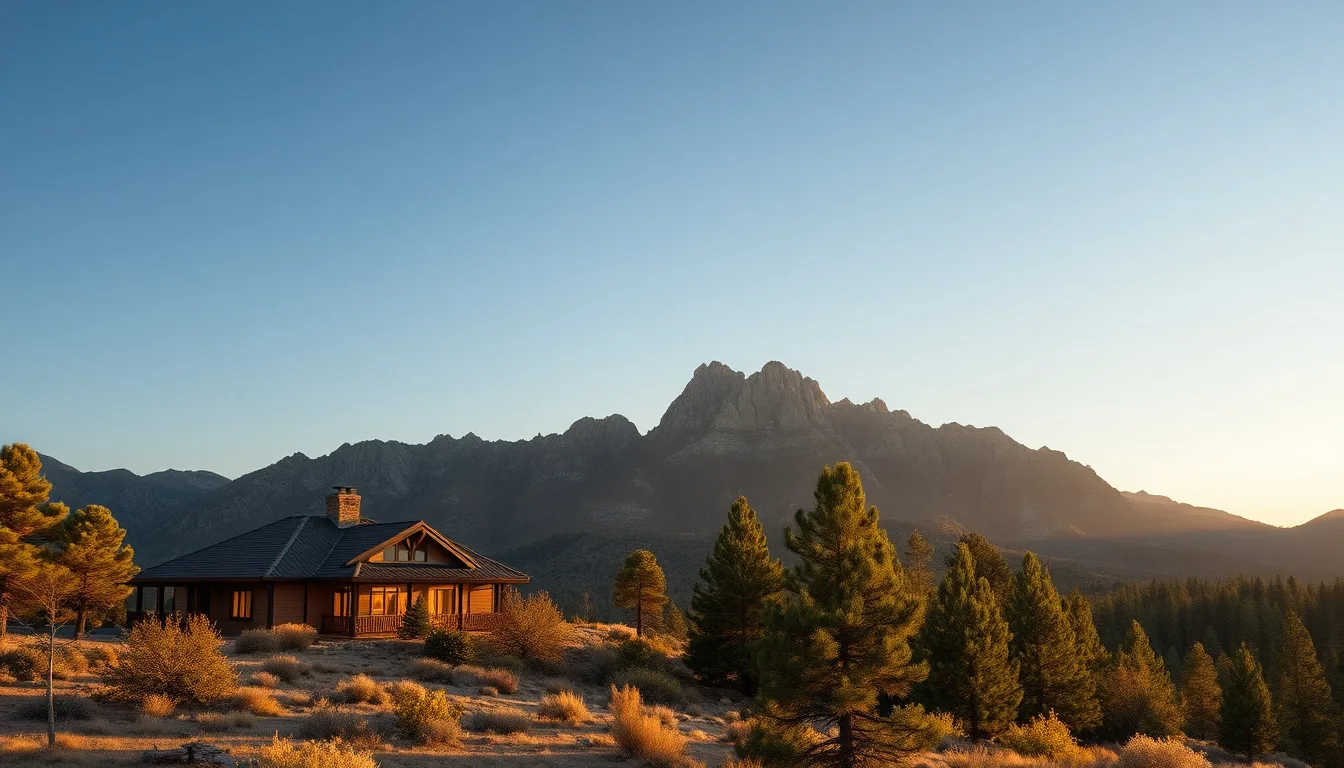
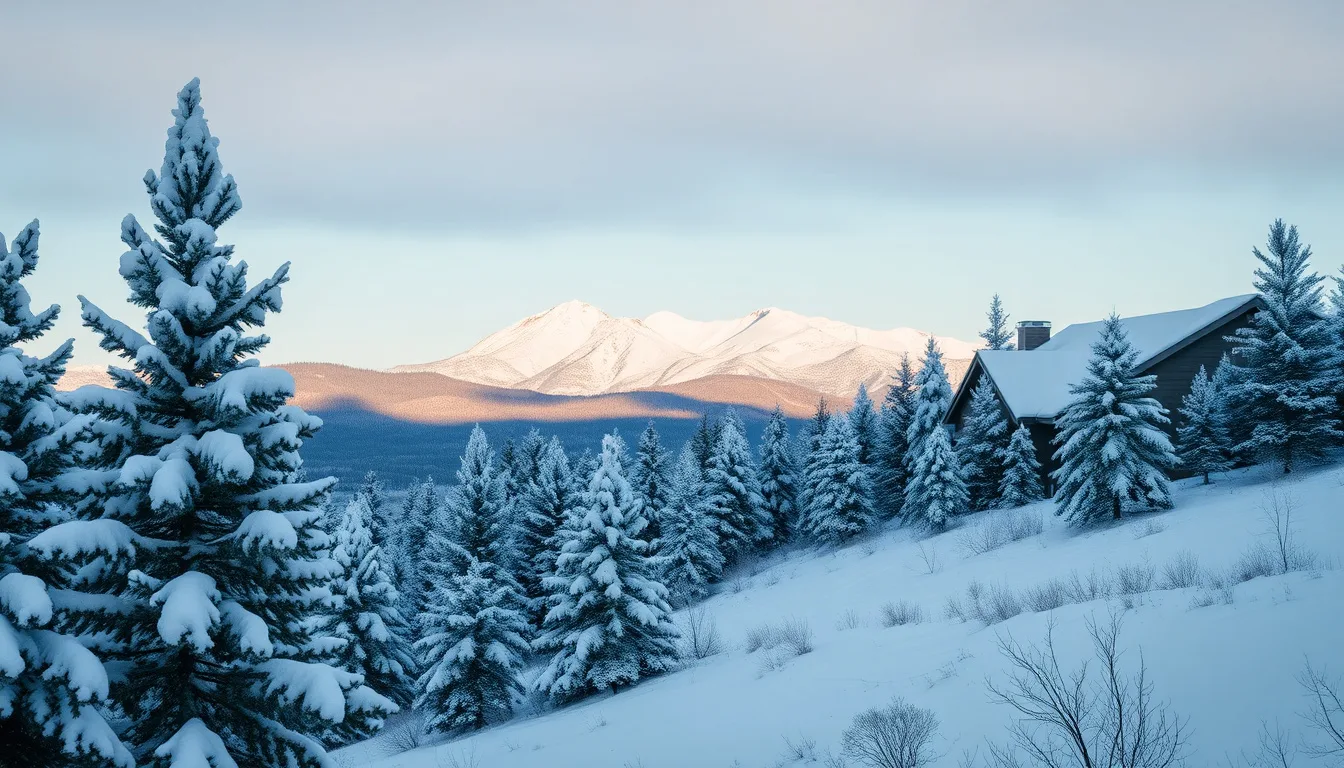
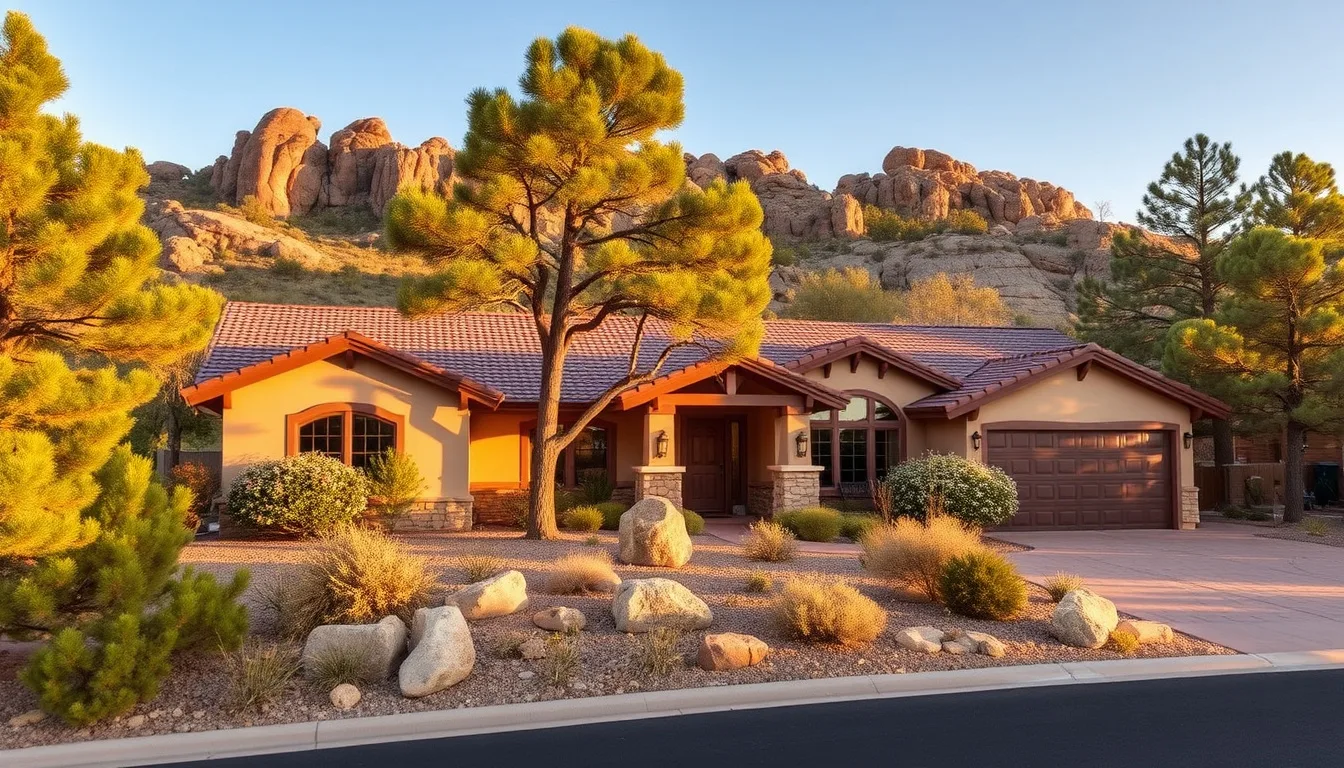
Prescott's population sits at roughly 48,224 as of 2024, with neighboring Prescott Valley close behind at approximately 49,179 — together the two communities make up the second-largest population center in the northern Arizona corridor after Flagstaff. At around 5,400 feet of elevation, the area sees real winter weather — colder and occasionally snowy, though notably milder than Flagstaff's 7,000-foot conditions — alongside warm, dry summers that never quite reach Phoenix-level desert extremes. It is a genuine four-season climate, and it is also a magnet for retirees drawn to that milder version of mountain living, which shapes local insurance needs in ways a generic statewide policy tends to miss.
The practical effect is that a Prescott-area policy has to account for a wider seasonal swing than a strictly desert market does — real winter conditions on one end, real summer heat on the other — while also serving a population that, on average, has lived in the home longer, owns more outright, and carries a different mix of vehicles and recreational property than a younger, faster-turnover market would.
The Goodwin and Doce Fires: Prescott's Wildfire Benchmark
Wildfire risk in the Prescott area is not theoretical, and underwriters do not treat it that way. The defining local event is the Goodwin Fire, which burned in the Bradshaw Mountains from late June through mid-July 2017. It consumed 28,516 acres, destroyed 17 homes, caused an estimated $15 million in damage, and forced the closure of State Route 69 during the height of the fire — a direct, documented loss event close to Prescott that carriers have factored into their models ever since.
Four years earlier, the Doce Fire burned approximately 7,000 acres west of Prescott without destroying any structures. A fire with no property loss might sound like a non-event, but it still matters to how the surrounding area gets modeled: it confirmed that the terrain and fuel conditions west of the city can carry and spread a significant fire, even when the outcome that particular time was contained.
It would be incomplete to talk about Yavapai County wildfire history without acknowledging the Yarnell Hill Fire of 2013, which burned 8,400 acres and tragically killed 19 members of the Prescott Fire Department's Granite Mountain Hotshots — the deadliest wildfire event for firefighters in modern Arizona history. It remains a defining regional memory, and it is worth mentioning here with the respect it deserves: it is part of why wildfire safety, defensible space, and firefighter support carry such weight as community values across Yavapai County, beyond just the insurance conversation.
For homeowners, the practical takeaway from this history is the same one underwriters have already drawn: proximity to the Bradshaw Mountains and the Prescott National Forest boundary is the single strongest factor in how a given property gets scored, more than the city limits line on a map. A home a mile from that boundary and a home fifteen miles from it can carry very different terms from the same carrier, even within the same ZIP code.
Why Local Premiums Have Been in the News
If you have searched anything related to home insurance in Prescott recently, you have likely run into local coverage of rising costs and shrinking carrier options — including reporting from 12News on home insurance costs surging in the Prescott area amid wildfire concerns, and community discussion threads where homeowners compare notes on which carriers are still willing to write policies here. That local anxiety is real, and it reflects a genuine market shift, not just a headline. Wildfire-prone Arizona counties have seen both premium increases and non-renewal rates well above the state's overall average, and Yavapai County's wildfire history is a direct contributor to that local pattern.
The good news is that "harder to insure" is not the same as "impossible to insure." Arizona's statewide non-renewal rate remains relatively low in the aggregate, and the vast majority of Prescott and Prescott Valley homes still place comfortably with standard, admitted carriers. The homes that run into trouble tend to share specific traits — close proximity to the national forest boundary, steep or heavily vegetated lots, difficult access — and those are exactly the traits a mitigation plan and an independent shopping process can address. Arizona has no FAIR Plan to fall back on if a home gets declined everywhere, so when a standard carrier does say no, the path forward runs through specialty and surplus-lines markets, which is precisely the kind of placement an independent agency handles routinely.
If you are the kind of homeowner comparing notes with neighbors in one of those online threads, the single most useful thing you can do is stop comparing premiums in the abstract and start comparing what is actually documented on each property — mitigation work, roof condition, and distance to fuel explain far more of the variation between quotes than which company a neighbor happens to use.
RV and Snowbird Coverage: A Local Specialty
Prescott and Prescott Valley's retiree-heavy population brings a genuinely local insurance specialty with it: recreational vehicles. Between full-time retirees who travel seasonally and part-year snowbird residents who split time between Prescott and another home, RV coverage shows up far more often here than in most of the corridor. A standard auto policy typically does not extend proper coverage to a motorhome or travel trailer, and a dedicated RV policy — covering the vehicle itself, contents, and liability while it is being driven or parked at a campsite — is worth a specific conversation rather than an afterthought bolted onto an auto quote.
If part of the year finds your Prescott-area home sitting vacant while you travel, occupancy matters on the homeowners side too. Extended vacancy can affect what a standard policy covers, so it is worth telling your agent honestly how much of the year the home is actually occupied.
RV coverage itself is not one-size-fits-all either. A motorhome driven regularly needs different protection than a travel trailer that mostly sits parked between trips, and full-timers who live in an RV for extended stretches of the year need a policy structured around that use rather than a standard recreational policy. If your household owns more than one recreational vehicle, it is worth reviewing each one individually rather than assuming a single policy line covers all of them the same way.
Bundling and Umbrella Coverage for an Asset-Rich Community
Prescott and Prescott Valley's retiree population tends to carry meaningfully more accumulated assets — home equity, savings, investment property — than a typical starter-home market, and that changes the liability math. A personal umbrella policy, which sits above the liability limits on your home and auto policies, typically costs somewhere in the range of $200 to $400 a year for the first $1 million in coverage — inexpensive relative to what it protects. For homeowners with a paid-off house, retirement savings, and maybe a second property, an umbrella policy is one of the more overlooked pieces of a properly built insurance program.
Bundling home and auto coverage together is often the simplest way to both save money and simplify claims handling, and it is usually the right starting point. That said, in a market where wildfire risk pushes some homes toward specialty or surplus-lines carriers, the best structure sometimes means splitting lines — a surplus-lines home policy paired with a standard auto policy, for instance — rather than forcing everything under one roof. An independent agent can tell you honestly when bundling saves money and when it does not.
What to Bring to Your Prescott-Area Quote
- Your home's approximate distance from the Prescott National Forest boundary or other significant wildland fuel
- Photographs of any defensible-space clearing or vegetation management already completed
- Your current dwelling coverage limit compared against a realistic local rebuild estimate
- Details on any RVs, trailers, or seasonal vehicles that need their own coverage
- How many months of the year the home is actually occupied, disclosed honestly
- A rough picture of your other assets, to right-size an umbrella conversation
Talk to a Local Independent Agent
Prescott and Prescott Valley deserve a policy built around this area's actual mix of factors — a real four-season climate, documented wildfire history, and a retiree-heavy population with real assets to protect — not a one-size-fits-all Arizona template. As an independent agency covering the whole northern Arizona corridor, we shop multiple standard carriers first, then specialty and surplus-lines markets when a home needs it, and we will tell you plainly which category your home falls into. Call us at 844-967-5247 for a free review of your current Prescott-area coverage or to start a new quote today.
Ready for a real quote?
Independent coverage for the whole northern Arizona high country — free quotes, no pressure.