Insuring a Home in Flagstaff: Snow Load, Wildfire, and 7,000 Feet of Difference
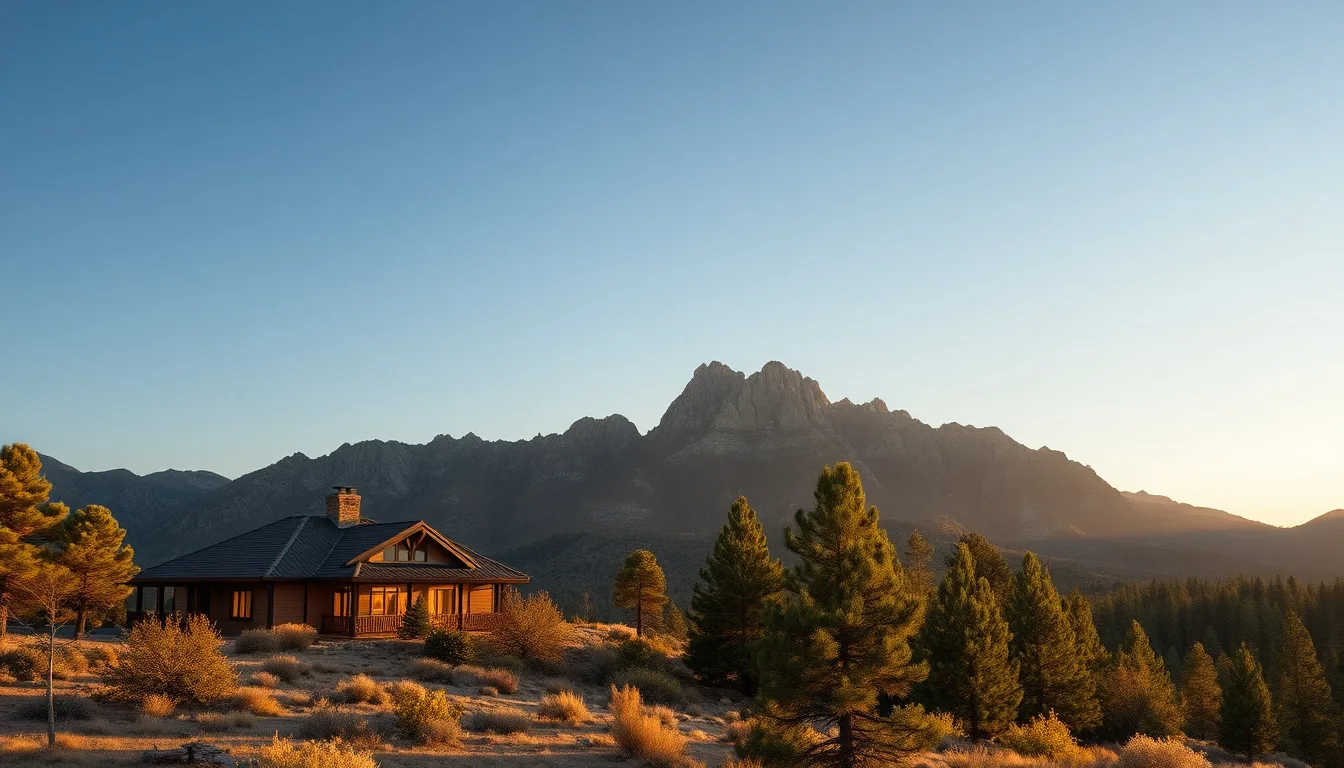
Most insurance content written for "Arizona" homeowners is really written for Phoenix and Tucson — desert heat, monsoon hail, and not much else. None of it fits Flagstaff. At roughly 7,000 feet, Flagstaff is the largest city in northern Arizona and one of the highest-elevation cities in the country, and it carries a genuinely different risk profile: real winter snow load on one side, forest-edge wildfire exposure on the other, and a large university population shaping the local rental market in between. Here is what actually matters when you insure a home here.
None of this makes Flagstaff a difficult place to insure — most local homes place comfortably with standard carriers every year. It does mean a policy needs to be built with Flagstaff's specific conditions in mind rather than dropped in from a generic statewide template, and that starts with understanding exactly what those conditions are.
Flagstaff's Elevation and Climate Profile
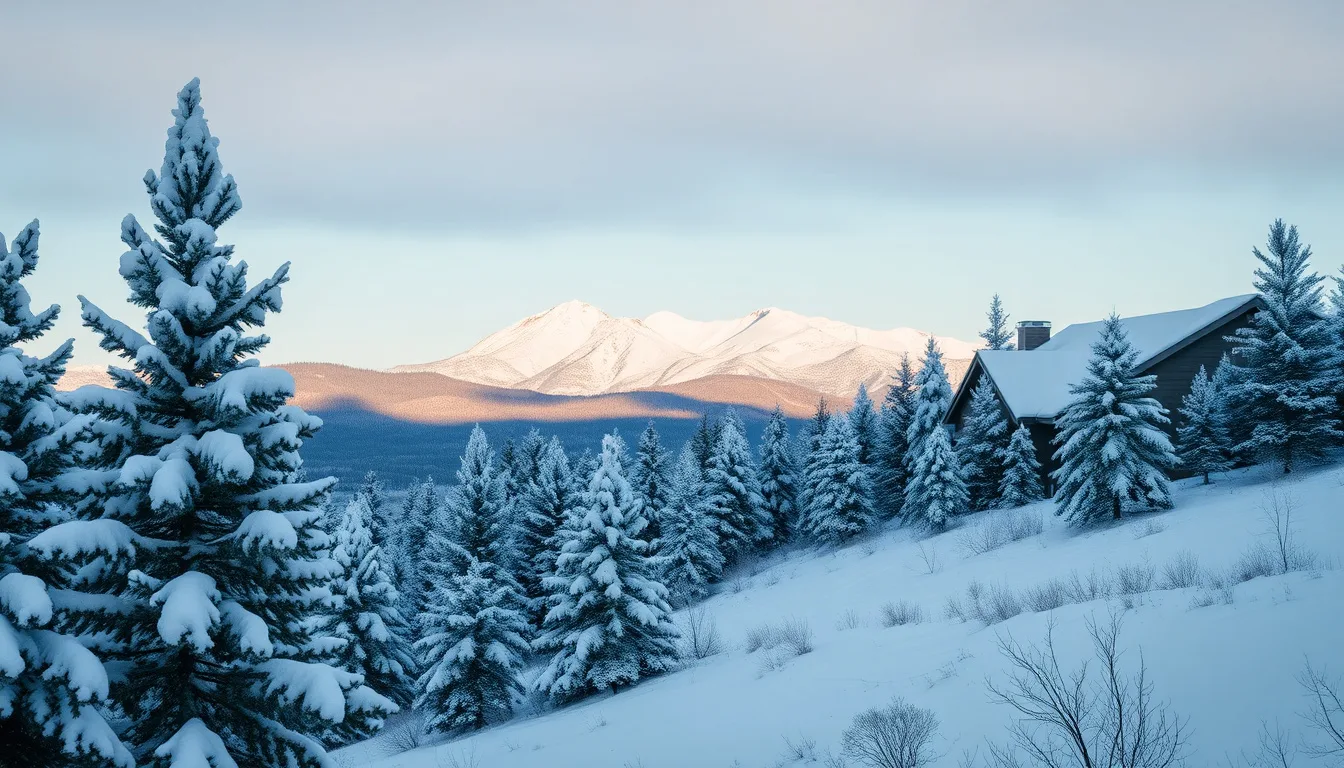
Flagstaff sits at approximately 7,000 feet and averages somewhere around 100 inches of snowfall a year, depending on which part of town you measure from — a total that puts it among the snowiest incorporated cities anywhere in the United States. With a population of 76,445, it is by far the largest city in the northern Arizona corridor, and its winter weather is not a once-a-decade novelty. It is a defining, recurring feature of living here.
That combination — genuine mountain winters inside a state most people picture as desert — is exactly why a generic "Arizona homeowners policy" so often misses the mark. A policy priced and structured for Phoenix simply was not built with Flagstaff's snow load, freeze cycles, or forest-adjacent construction in mind.
It also means Flagstaff homeowners are managing two very different seasonal risk windows in the same calendar year: a winter season built around snow load, ice, and freeze damage, and a spring-through-fall wildfire season built around drought conditions and forest fuel. Very few places in Arizona ask a homeowners policy to do both jobs well, and it is worth confirming with your agent that yours actually does.
What 100 Inches of Snow Means for Your Roof and Pipes
Snow load is a structural insurance issue, not just a nuisance. A roof rated and maintained for a light Arizona dusting is a different animal from one that needs to shed or bear up under repeated heavy snowfall through a Flagstaff winter. Roof age, pitch, and material all affect how a home performs under sustained snow load, and they affect how a carrier prices and underwrites the policy.
Snow accumulation also creates a specific, well-known failure mode: ice damming. When heat escaping through the roof melts snow from underneath while the eaves stay cold, the meltwater refreezes at the edge, builds a ridge of ice, and backs water up under the shingles — leading to interior leaks and, in bad cases, sagging or damaged roof decking. Standard homeowners policies generally cover the resulting water damage as a covered peril, but the claim only goes smoothly if the underlying roof was in reasonable condition to begin with, which is one more reason roof documentation matters at every renewal in Flagstaff specifically.
Freezing temperatures create the other classic Flagstaff claim: burst pipes. A hard freeze on unprotected plumbing — an exposed line in a crawl space, a pipe in an uninsulated exterior wall, a vacant home with the heat turned too low — can split a pipe and release a serious amount of water before anyone notices. Frozen-pipe damage is typically covered, but insurers do watch for reasonable care, particularly in homes that sit vacant part of the season. If your Flagstaff home is a second home or a ski-season property, tell your agent that up front; it changes how the policy needs to be written.
Practically, that means confirming a few things every winter rather than assuming last year's setup still holds: that heat tape or pipe insulation on exposed lines is in good condition, that the home's minimum interior temperature stays high enough to prevent freezing even during a cold snap, and that someone is checking on the property regularly if it sits empty for stretches during ski season. None of this is expensive to do. All of it is expensive to skip.
The Museum, Tunnel, and Pipeline Fires — and What They Changed
Snow load is one half of Flagstaff's risk picture. Wildfire is the other, and it is not hypothetical. In July 2019, the Museum Fire started about one mile north of the city, grew to roughly 1,800 acres, and triggered evacuation and prepare-to-evacuate orders for homes on Flagstaff's north side. Fewer than three years later, in April 2022, the Tunnel Fire burned thousands of acres, forced more than 700 homeowners to evacuate, destroyed at least 30 structures, and burned into Sunset Crater Volcano National Monument. Barely two months after that, in June 2022, the Pipeline Fire ignited, burned roughly 5,000 acres within its first two days, and re-burned part of the same ground the Tunnel Fire had already scarred.
Three significant fires in the immediate Flagstaff area within a three-year span left a real mark on local underwriting. Carriers that write property in and around Flagstaff continuously refresh their wildfire-risk models with fresh burn data, and homes near the Coconino National Forest boundary — which describes a meaningful share of Flagstaff's neighborhoods — get scored individually based on proximity to forest fuel, slope, vegetation density, and access. If you have received a higher premium, a new deductible structure, or a non-renewal notice tied to wildfire risk since 2019, this is the reason: the local fire history is recent, well-documented, and directly reflected in how your home gets priced.
The practical response is the same one carriers themselves reward: documented mitigation. A cleared defensible-space buffer around the structure, a Class A fire-rated roof, and ember-resistant vents are the details most likely to move a Flagstaff home from a marginal quote to a strong one — and if a standard carrier still says no, Arizona's lack of a FAIR Plan means the next step is the surplus-lines market rather than a state-backed fallback, which is exactly the kind of placement an independent agency with access to specialty carriers can handle.
NAU and Flagstaff's Distinct Rental Market
Flagstaff's insurance picture is not only about weather and fire. Northern Arizona University brings roughly 22,991 undergraduates and more than 28,000 total students to the city, and 57% of them live off-campus — a genuinely large population of renters spread through Flagstaff's neighborhoods, most within a few miles of campus. That creates a distinct local dynamic on both sides of the insurance conversation.
If you rent your home to students, your policy is a landlord policy, not a standard homeowners policy, and it needs to reflect tenant turnover, liability exposure, and loss-of-rent protection specific to that use. If you are a student or young professional renting in Flagstaff, your landlord's policy covers the building — not your belongings and not your personal liability. A basic renters policy, typically $15 to $30 a month, closes that gap and is one of the most overlooked, inexpensive protections in the entire local market.
That gap matters in Flagstaff specifically because of how common shared housing is near NAU. Roommates splitting a rental house, each with their own belongings and their own liability exposure, is a normal arrangement here — and it raises a real question worth asking an agent directly: does one renters policy cover the whole household, or does each roommate need an individual policy for their own belongings and liability? The right answer depends on the household, and it is worth getting settled before move-in rather than after a loss.
Replacement Cost in a Mountain Building-Cost Market
Rebuild cost in Flagstaff is not the same as rebuild cost in Phoenix, and it is not automatically the same as rebuild cost in Prescott or Payson either. Materials and skilled labor have to reach a mountain town at 7,000 feet, construction has to account for snow-load-rated roofing and cold-climate building details, and demand surge after a wildfire or a hard winter can push costs higher right when you need coverage most. Default carrier replacement-cost calculators, built for statewide averages, often do not fully capture that.
The practical fix is a replacement-cost review at every renewal, not just at the time you bought the home — and, where available, an extended or guaranteed replacement-cost endorsement that adds a cushion above your stated dwelling limit. If your policy has not been reviewed since you purchased the home, and construction costs have moved since then, there is a real chance your coverage is quietly behind where it needs to be.
A Practical Flagstaff Homeowner's Checklist
- Confirm your roof's age, material, and condition, and ask whether it is rated appropriately for sustained snow load
- Verify pipe insulation in crawl spaces, exterior walls, and any part of the home that sits unheated for stretches
- Photograph and date any defensible-space or wildfire-mitigation work around the property
- Note your home's distance from the Coconino National Forest boundary and any relevant slope or vegetation detail
- Review your dwelling coverage limit against current local rebuild costs, not the price you paid for the home
- Disclose seasonal or vacant occupancy honestly — it changes what a standard policy will and will not cover
- If you rent to NAU students or anyone else, confirm you are on a landlord policy, not a standard homeowners policy
- If you are a renter, get a renters policy — it is inexpensive and covers what your landlord's policy does not
Get a Flagstaff-Literate Policy Review
Flagstaff deserves a policy built around its actual conditions — snow load, freeze risk, and wildfire exposure at 7,000 feet — not a generic Arizona template written for the desert. As an independent agency covering the whole northern Arizona corridor, we shop multiple carriers on your behalf, including the specialty and surplus-lines markets that step in when standard companies decline a forest-edge home, since Arizona has no FAIR Plan to fall back on. Call us at 844-967-5247 for a free review of your current Flagstaff home insurance, or to get a first quote started today.
Ready for a real quote?
Independent coverage for the whole northern Arizona high country — free quotes, no pressure.